About us
COMRADES: The Protege Panther Project for Self-Defense is a radical educational intervention built on anticolonial love (or what Huey calls ‘revolutionary love) and collective self-defense. We are grounded in the educational methods, teachings, practices and philosophies of the original Black Panther Party for Self-Defense. Everything that we do and everything that we stand for is connected to our understanding and commitment to the concept of collective, anticolonial self-defense. We anchor ourselves in self-defense not as an academic theoretical exercise but as a way of life and living. We started in the Fall of 2013 not in any formal way but as a self-defense intervention that took place in a particular classroom and in a particular period of violence in the educational lives of a small collective of twelve young 11-14 year-old comrades. When we use the term violence here we are speaking of and to the violence of education and its destructive impact. We are talking about an educational system and approach that stood by and watched as the police working hand in hand with landlords, developers and the city raided the homes of many of our comrades’ families in order to displace them and enforce a racial and class cleansing of their neighborhood – a violent colonial process commonly known as ‘re-vitalization’ or ‘gentrification’/gentrifrakation. We are talking about an education system that not only stood by and watched as these and more racist and racialized brutalities impacted our comrades but actively punished, through dehumanizing disciplinary action in school, the trauma that our comrades had accumulated in their bodies as a result of the fear and terror that had been generated by gentrification/gentrifrakation, systematic oppression and racialized policing, outside of school. We are talking about an education system that reinforced this punishment by inviting into the school the very same forces (the police) that were brutalizing our comrades outside of the school and in their neighborhoods. We are talking about an education system that literally dumped all of the most traumatized comrades in the school into one single class, segregated from everyone else, not to be educated, but to be managed, controlled and discarded to the point where they could be scooped up by the state for exploitation and incarceration. That classroom space where our comrades were literally dumped into by the system was where we began our first intervention as a political act of self-defense and collective resistance.
We’d got to this point on the backs of continued consciousness building, knowledge gathering, teaching, learning and revolutionary collective organizing against oppression that we’d been a part of actively in 4 peoples grassroots organizations over the years either as co-founders, members, collaborators, participants, honorary members, supporters or just basic close comrades and confidants in solidarity. These organizations were firstly, ‘BASICS’. BASICS was a free people’s news media organization inspired by the Black Panther Party’s intercommunal newspaper ‘The Black Panther’.
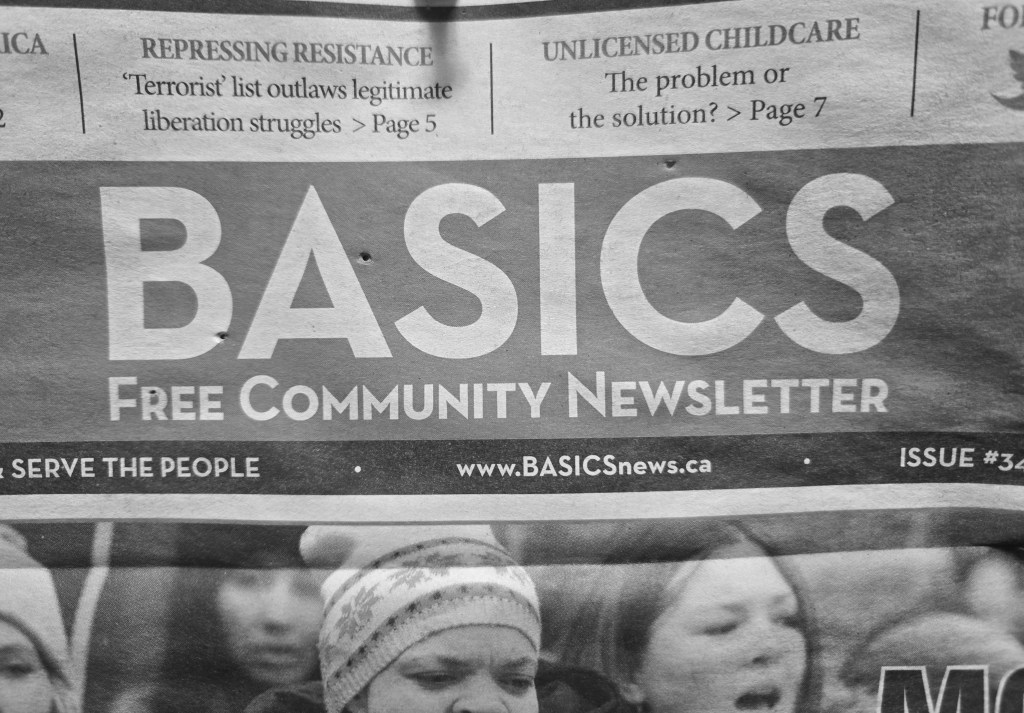
Along with its peoples news media BASICS organized collective consciousness on the ground initially in Lawrence Heights, Toronto to oppose gentrification/gentrifrakation and police violence. ‘BASICS’ also offered free legal support along with many other community self-defense initiatives. The second is ‘NOCOPS’ (The Newly Organized Coalition Opposed to Police in Schools).
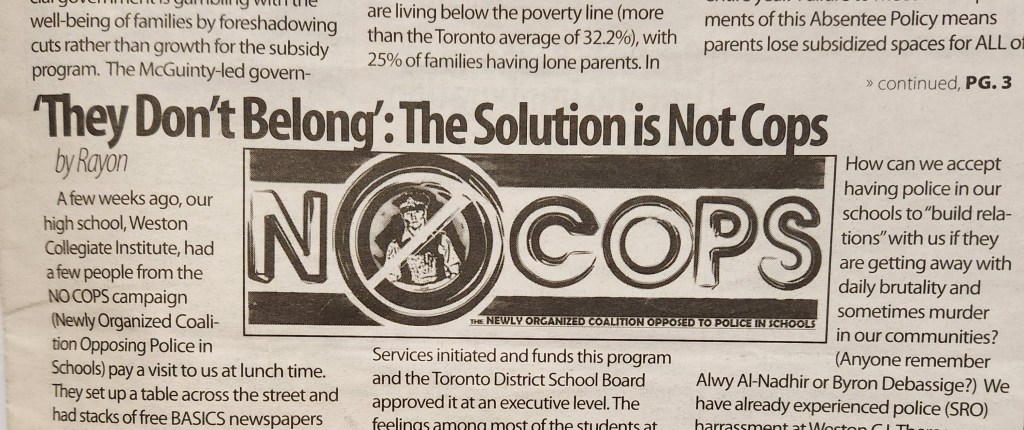
NOCOPS was the first organization in the city of Toronto to organize the production and dissemination of critical knowledge and information in community and mainstream media outlets regarding the move by the city of Toronto with the backing of the provincial government of Ontario to place cops in schools as well as the first to organize youth already in schools to oppose the policy. The third is ‘PD’ (Peoples Defense). PD was/is an independent grassroots community organization of racialized immigrant working class people committed to building collective power against the oppression and exploitation oppressed peoples face daily from the forces of the rich and powerful.
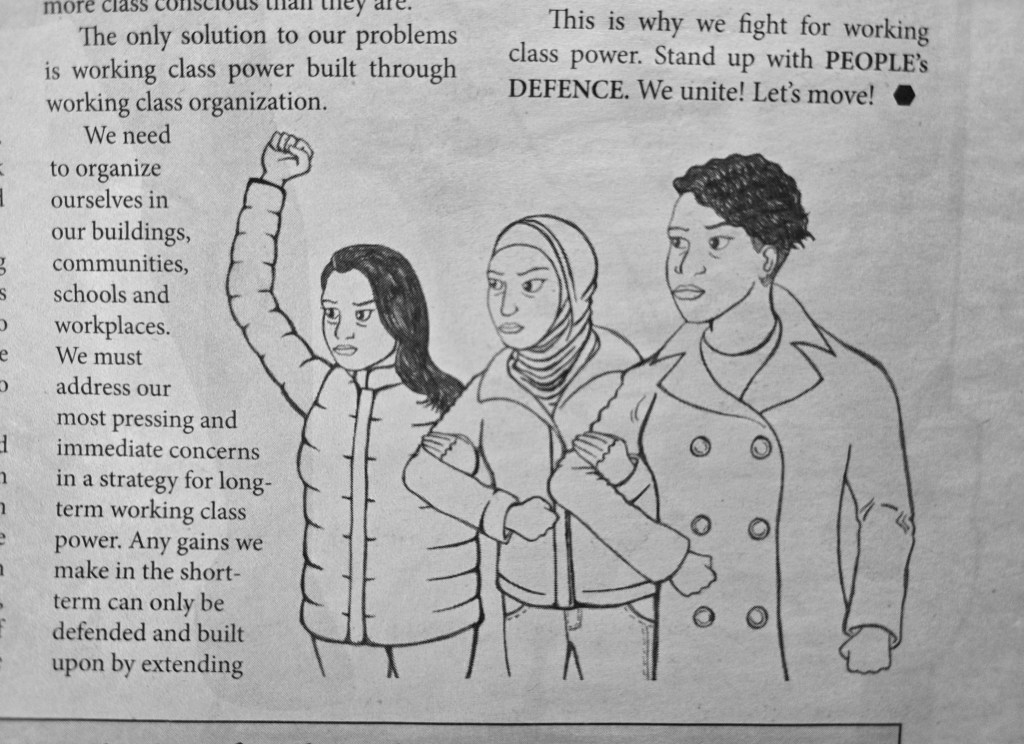
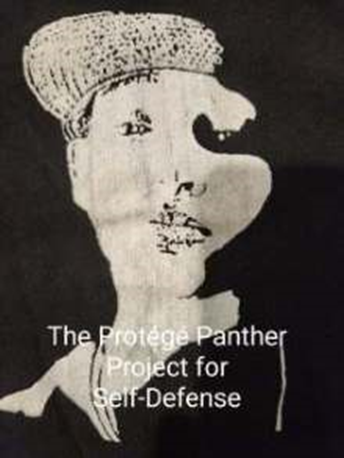
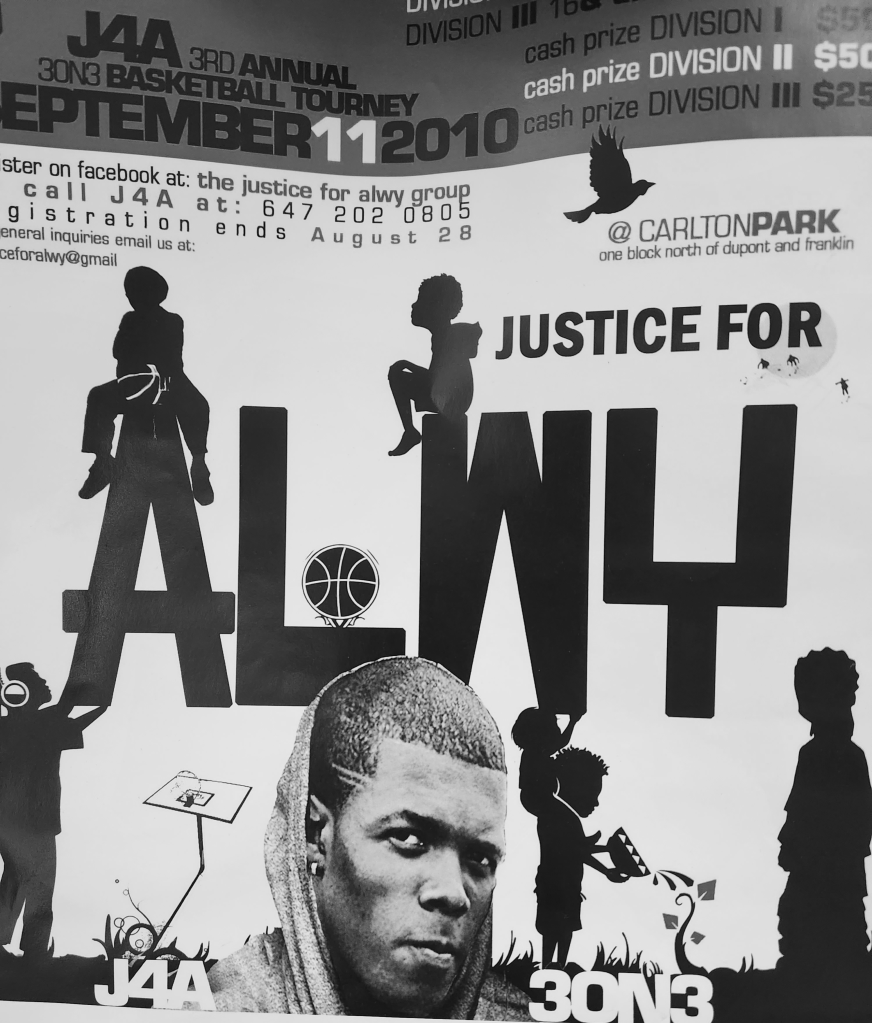
PD’s mission was/is to defend the interests of poor and working class peoples and communities specifically in racialized working class neighborhoods like Crescent Town near Victoria Park and Danforth in Toronto. Fourth is J4A (The Justice for Alwy Campaign). J4A is closest to our heart and was a major influence in our collective growth and consciousness. We view the Protege Panther Project for Self-Defense as J4A’s legacy. Our logo carries Alwy’s portrait in honour of him and his family.
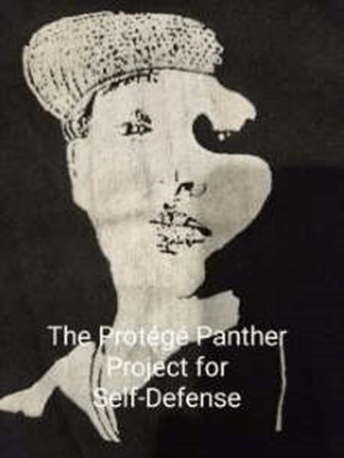
Like Emmett’s (Till) beautiful face with his hat on our logo image of Alwy reminds us of the power of organized collective struggle and resistance and keeps us politically grounded down into what is at stake, who it is that we commit ourselves to defending, what it is that we are defending ourselves against, what our responsibilities are AND where it is that we want to go as oppressed peoples. Alwy Al-Nadhir was a racialized 18-year-old teenaged comrade who came out of Regent Park. On Halloween night, October 31st, 2007 in Riverdale Park, Toronto, Alwy was the victim of homicide at the hands of Toronto Police Service (TPS). In the aftermath of Alwy’s death J4A (grounded in Panther knowledge) organized mass protests that demanded justice for Alwy and his family, it organized community gatherings in the service of collective political consciousness building and it worked tirelessly to expose the institutional racism that took Alwy’s life and to hold the system responsible for Alwy’s death accountable.
All of these collectives overlapped and interchanged with one another and all drew in one way or another on the Black Panther Party and the Panther’s commitment to self-defense and the defense of the oppressed. Each one supported the other or built on the work of the other. In that first intervention back in 2013 then we drew on what we had learnt and the knowledge produced by those who had gone before us. We began and moved from where our young comrades were at physically, psychologically, emotionally, consciously and politically. We started with an embrace of our individual selves and concentrated on that and then moved towards a consciousness of our collective self. Where we found ourselves in an institutional space and place that generated and produced a colonial, oppressive sense of disconnectedness among us and in our souls we intervened to bring a sense of collective connectedness and power in a revolutionary grounded way that reached all of us. And even though we didn’t have the language to start with we all felt in our bones what we might not have been able to express verbally. We gradually began to understand, all of us, that we were a political collective.
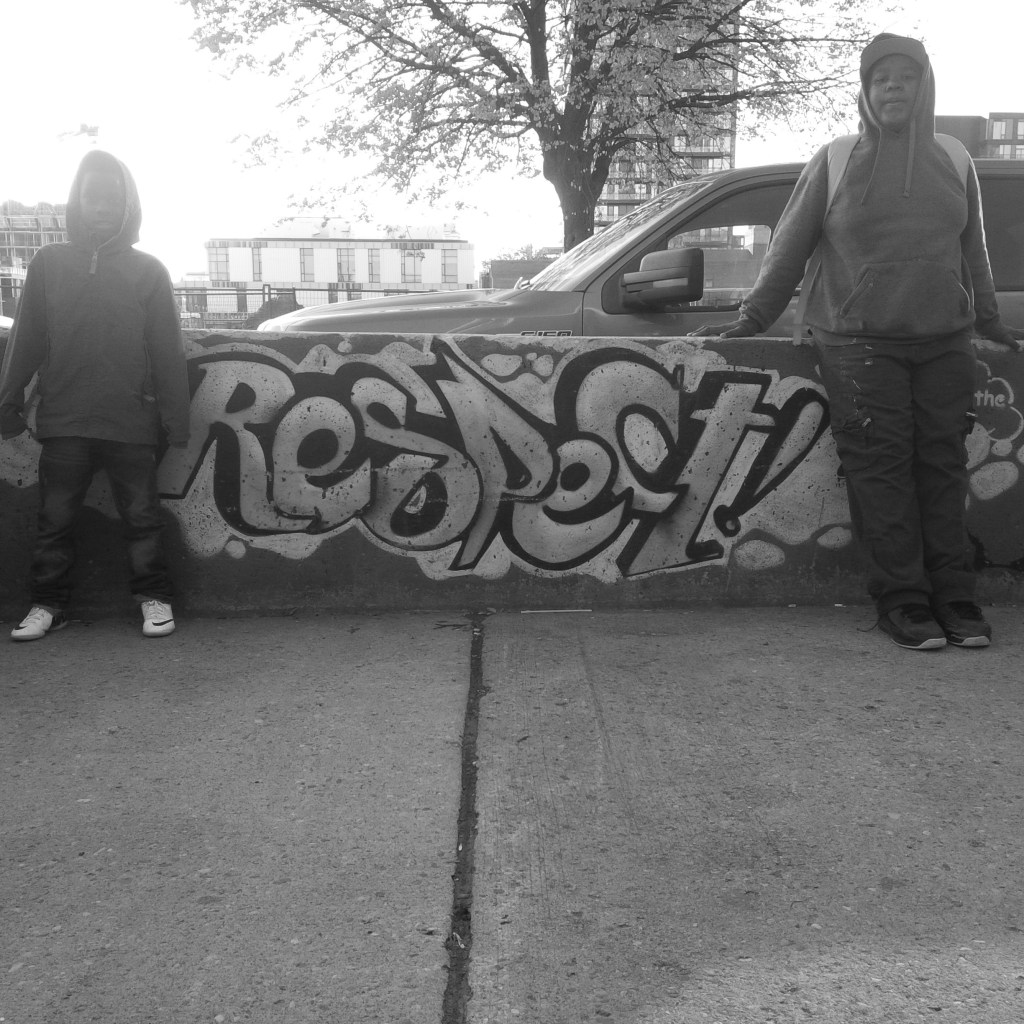
Using our Z and T method once we became conscious of ourselves as a collective we were no longer scrambling to survive and run away from the impact of oppression by turning against each other like we had been doing. We began to understand that when we do harm to each other individually we automatically do harm to ourselves as a collective and so we refused to do that. And every time we did that, like every time we refused, we gained more power, we became more of a collective. We moved from a position where we were defending our individual selves against each other by attacking each other and seeing each other as an enemy to defending our collective self against colonial oppression and pinpointing that as the enemy whether its out there or inside of us, like when its internalized by us, and when its been forced into us and then pinpointing by who, what, why and for what purpose? By doing that we began to develop a political understanding of our conditions and how to transform those conditions. So what started to grow in ALL of us was a consciousness of ourselves as a political family and as collective whole. What started to grow in us all was a true political understanding of revolutionary RESPECT born out of a new sense of identity that above all else was built on this powerful feeling of revolutionary love for the collective self and for ourselves as a People with a capital ‘P’.
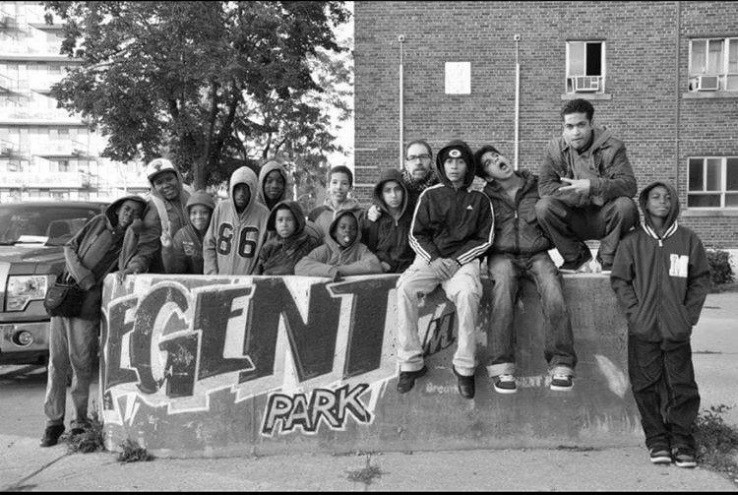
Our comrades moved to a place of revolutionary consciousness where they came to feel and believe that they have power. They moved to a place where they came to believe that we the oppressed have the power to resist oppression, to transform our world, and so they became SKOLAZ. They became People’s skolaz, skolaz of resistance, skolaz of historical and current liberation struggles and organizings on the part of the People and the oppressed starting first with their neighborhood and community of Regent Park and then extending their skolazship focus to community and collective organizings across the city and then nationally and then globally. And all of we as comrades intergenerationally came to an understanding that when we produce knowledge we do it collectively and so from the beginning we not only aligned ourselves and built relationships with revolutionary minded individuals and collectives on the ground who came to defend, collaborate and work with us, we also built close partnerships and collaborations with what we call 2 University ‘comrade programs’ that not only aligned with our aspirations, politics, and beliefs about liberation and what is POSSIBLE but they themselves came out of the struggles for liberation on the part of the People. These comrade programs were and are, the Transitional Year Program (TYP) at the University of Toronto and the Critical Studies in Equity and Solidarity program (CSES) in New College at the University of Toronto.
Lets go with TYP first. TYP at the University of Toronto and its sister program in Dalhousie University Nova Scotia both grew out of the Black Power and Black Liberation movements in the late 1960s but more so both were influenced in one way or another by the Black Panther Party especially after a team of Panthers along with the then honorary Prime Minister of the Black Panther Party Stokely Carmichael (who later changed his name to Kwame Ture) had swept into Canada in 1968 with the kind of revolutionary thinking that brought a political revolutionary meaning to the concept of Black with a capital ‘B’ and brought a deeper revolutionary anticolonial consciousness to the hearts of the oppressed. That Panther intervention from the US gave birth to Panthers and Panther thinking and Panther organizing in Canada. Canadian Panthers like Burnley Allen (Rocky) Jones would be directly behind bringing in the TYP program at Dalhousie and that same revolutionary Panther influence would directly or indirectly move the consciousness of revolutionary minded collectives like the Black Education Program in Toronto when it came to imagining and putting together the TYP program there in a way that would reflect their dreams and desires for a revolutionary education for the People. The liberation potential for TYP and its Panther influence though had already been laid out in the US in a program at the University College of Los Angeles (UCLA) called the ‘High Potential Program’ (HPP). The former Minister of Information and former leader of the Black Panther Party Elaine Brown in her book ‘A Taste of Power’ has talked about how the HPP was put together in 1968 by a former comrade the late Dr Beverlee Bruce who had designed it and got UCLA to fund it. Just like the University of Toronto back in 1970 when TYP first started out as a full time program UCLA agreed to house HPP on the colonial thinking that it would open the university’s doors to those “disadvantaged” youth who didn’t have the qualifications but had the ‘potential’ for success. So from the University’s perspective back then it wasn’t about revolution or the liberation of the People. The revolutionary turn came when Black Panther Party members Elaine Brown, Bunchy Carter and John Huggins registered for enrolment in the HPP and began to organize it along the lines of a revolutionary education program for the oppressed in and outside of the UCLA campus while at the same time (and this is really important) connecting the two. Comrade Brown in her book tells us about the Panther pedagogy that transformed the HPP and how “every day (and) every evening” John Huggins would ‘push us to push them’ (the students) and how he would “intone over and over, ‘Educate to Liberate’”. The Panther model was what the original creators of TYP pushed for and demanded. They agitated, pushed for and demanded a University level education program that was run by the oppressed and was for the oppressed. They demanded and achieved through action and activism a University level education program for the oppressed with a curriculum that would EDUCATE TO LIBERATE. And this they would continue to defend throughout the 1970s especially when at the University of Toronto they were shut-down for a year in 1976-77 and when they were forced to organize to defend the program again in the 21st century most notably in 2009-2010
and then again in the 2013 -2014 school year:
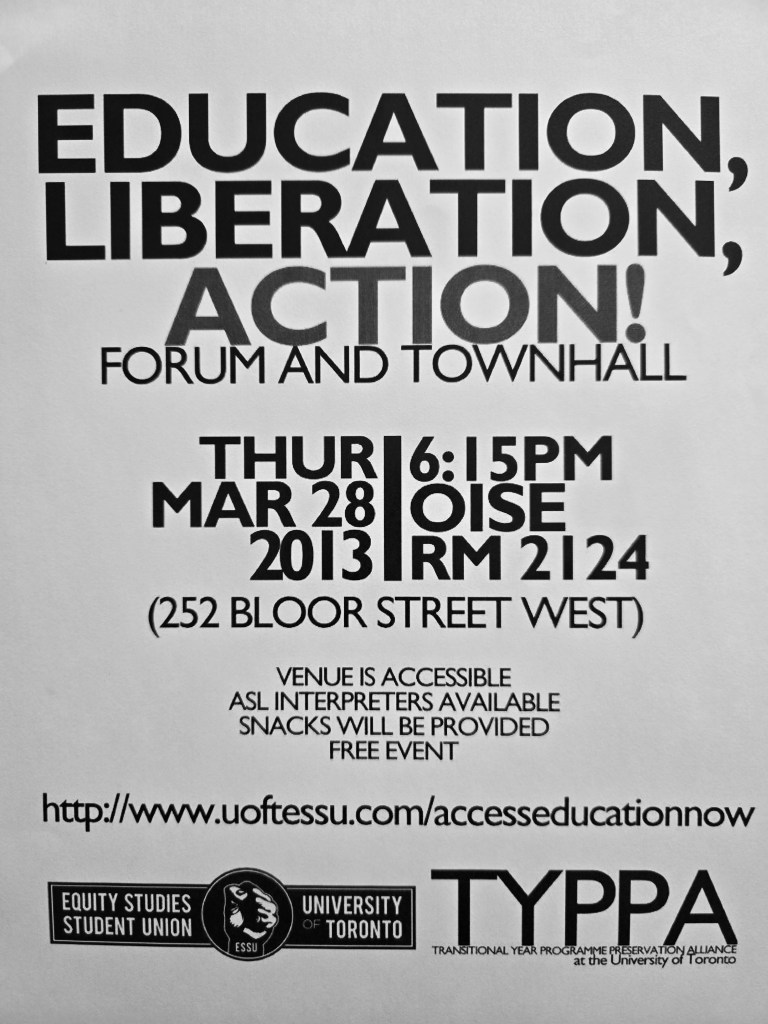
The Black working class and lumpen collectives and communities that started TYP came with an ‘educate-to-liberate’ Panther philosophy that said yeah our people cant gain access to the university because they don’t have the grades BUT this isn’t because they’ve dropped out of schooling but because they’ve been PUSHED OUT and FORCED OUT of schooling by OPPRESSION itself. They’ve been PUSHED OUT and FORCED OUT by colonial oppression that’s targeted our bodies for punishment and violence and we ain’t gonna take it anymore, we’re gonna fight back and education is gonna be our weapon. That went into the curriculum. That was the curriculum. That’s Panther education. It says, we’re not a problem to be saved or rescued or to be fixed or treated or managed or controlled. We ain’t the problem. The problem is YOU, you the oppressor, you the colonial system. And to resist THAT is to oppose, is to liberate, is to be free. The Protege Panther Project for Self-Defense comes out of that long history of resistance and we line up as comrades in collective struggle on those terms with anyone who feels the same. So we do not say we are for this group alone or for that group alone we are anticolonial and anti-imperialist so we say we are for the historically oppressed.
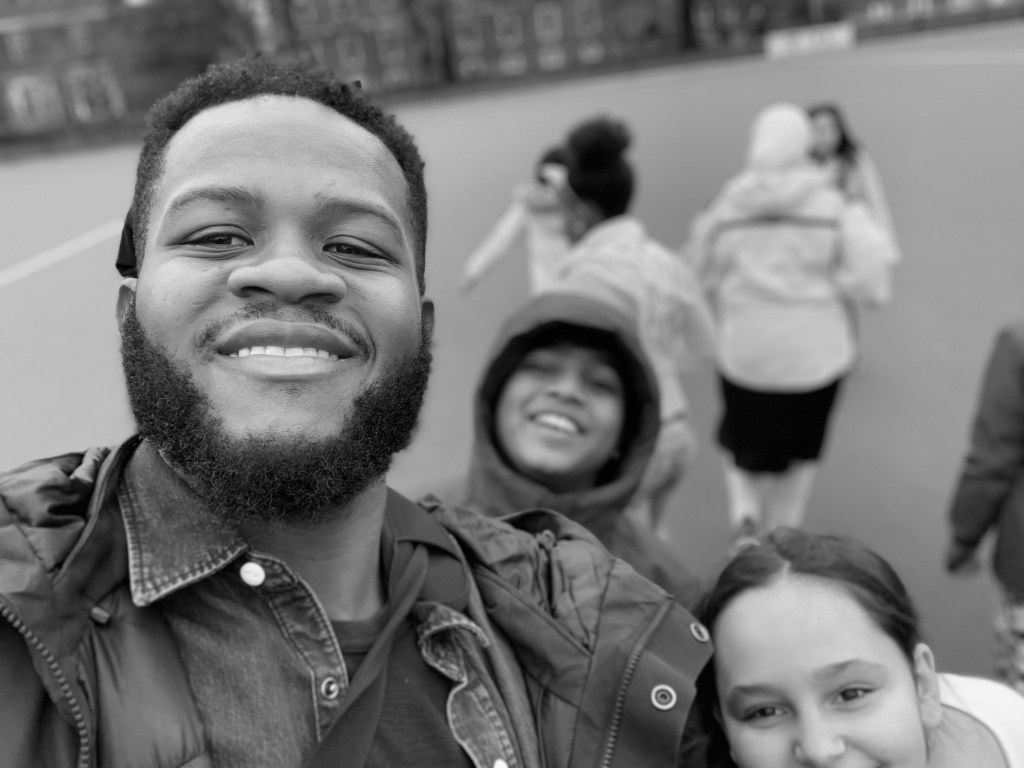
The second comrade program that we’ve collaborated with and continue to do so is the Critical Studies in Equity and Solidarity (CSES) program at New College at the University of Toronto. Like TYP and many other programs in that same college like Women and Gender Studies, or African Studies, or Caribbean Studies it too comes out of the struggles and demands of the People. It is housed in the University but it belongs to the People. It belongs to the Oppressed. The People gave birth to it. The Oppressed gave birth to it. One of the key members of the community collective that created CSES in 1998 when it was first called the ‘Equity Studies’ was the late Indigenous community organizer, activist and thinker Rodney Bobiwash. He would stand at the front of the Introduction to Equity Studies class and open up on the first day by saying he was against equity. The students would be confused. An equity studies class and program that started out by saying it was against equity? He would then go onto explain why. He would talk about how this term ‘equity’ that’s supposed to be about justice is used everywhere but how its destructive for the oppressed. He would talk about how for example the way the University talks about equity and understands equity is that it allows ‘access’ to a small number of Indigenous individuals to enter into the University BUT it leaves the very historical and ongoing colonial structures and systems of violence that impact Indigenous peoples as nations on a daily basis within the colonial borders of what is the Canadian state intact and unopposed. SO HELL NO WE’RE NOT FOR THAT. The kind of equity that CSES stood by and stood for would be the opposite of that colonial equity. It would be a CRITICAL EQUITY that refuses to tinker away at the system and structure, that refuses to reform it, to work for inclusion in the colonial system but contests its legitimacy at all levels and organizes resistance, insurrection and oppositional ways of being, doing and knowing.
On the back of all of this our Protege Panther comrades grew in a revolutionary grounded way. They grew in their consciousness and in their sense of power and in their knowledge base. They grew in their sense of what anticolonial self-defense means and they would demonstrate this to the world as a liberated collective when on December 6th, 2013 on the morning following the death of Nelson Mandela on December 5th they stood on the stage of their school gym looked down on the gym floor to a packed audience where everyone had gathered in a memorial to celebrate Mandela’s life, where the politicians from the city of Toronto and the Provincial government and the school board were gathered, where community members and all the school’s staff and students were gathered, where the local and national media were gathered broadcasting it live across the city, across the nation and across the world, and where the cops at the back were gathered in uniform, AND in the face of all that, our comrade skolaz performed a powerful anticolonial INTERVENTION. They recited a short version of the speech Mandela made in 1964 from the defendants dock in Pretoria in Apartheid South Africa. Out from their bodies and into that space came Mandela’s language of revolution and the language of anticolonial struggle and resistance and at the end of it our comrades thrust their clenched fists into the air and shouted out with bravery and conviction, “for this ‘I am Prepared to Die‘”. In that moment everyone in that room and all of those watching across Canada and around the world and all of those with authority and power who wanted to tell a different story about Mandela that made them feel comfortable were reminded just exactly who the real Mandela was and why colonialism and imperialism was threatened by him and Malcolm (X) and anyone like him. Our comrades in the face of that mass audience and by their own decision to do that, reclaimed a revolutionary by reminding everyone who had gathered or who were watching live the history of Mandela’s revolutionary stance and what he was ‘prepared to die’ for. And not only that, our comrades reclaimed the revolution itself and by doing so they reclaimed their own collective selves and those of our Peoples who have gone before us and whose resistance has made us who we are now. And it wouldn’t matter that the media would soon after remove any memory of their coverage of that political act. The act itself and the revolutionary consciousness that produced it could not be erased nor could its impact on the young comrades in the school that witnessed it.
So by the time our original Protege Panther skolaz got to the University to connect with our 2 comrade programs they went with a new kind of consciousness that had turned them into becoming the new beings and the new peoples that Assata (Shakur) has said is an absolute necessity for the revolutionary transformation of our world
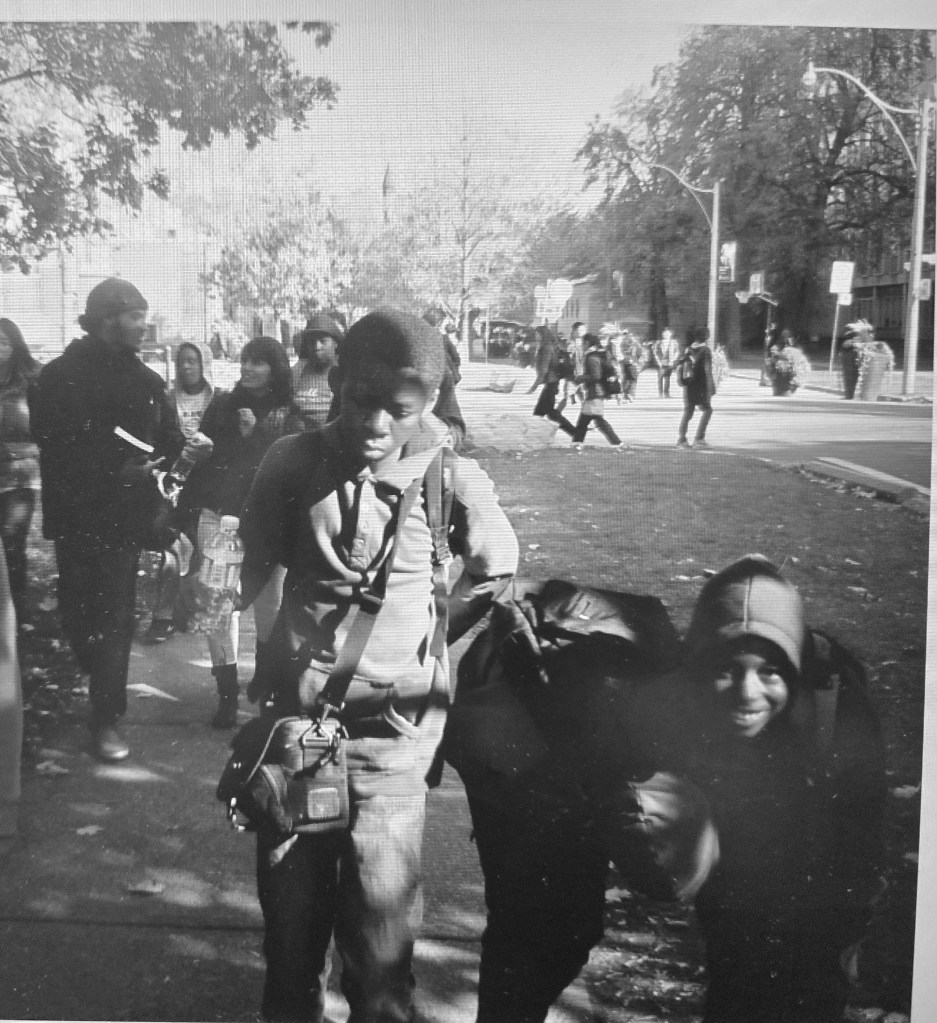
They took with them an emerging collective revolutionary consciousness that was fully aware that these 2 programs had come out of the People’s struggles and so they didn’t go feeling overawed or intimidated. They went to RECLAIM that space.
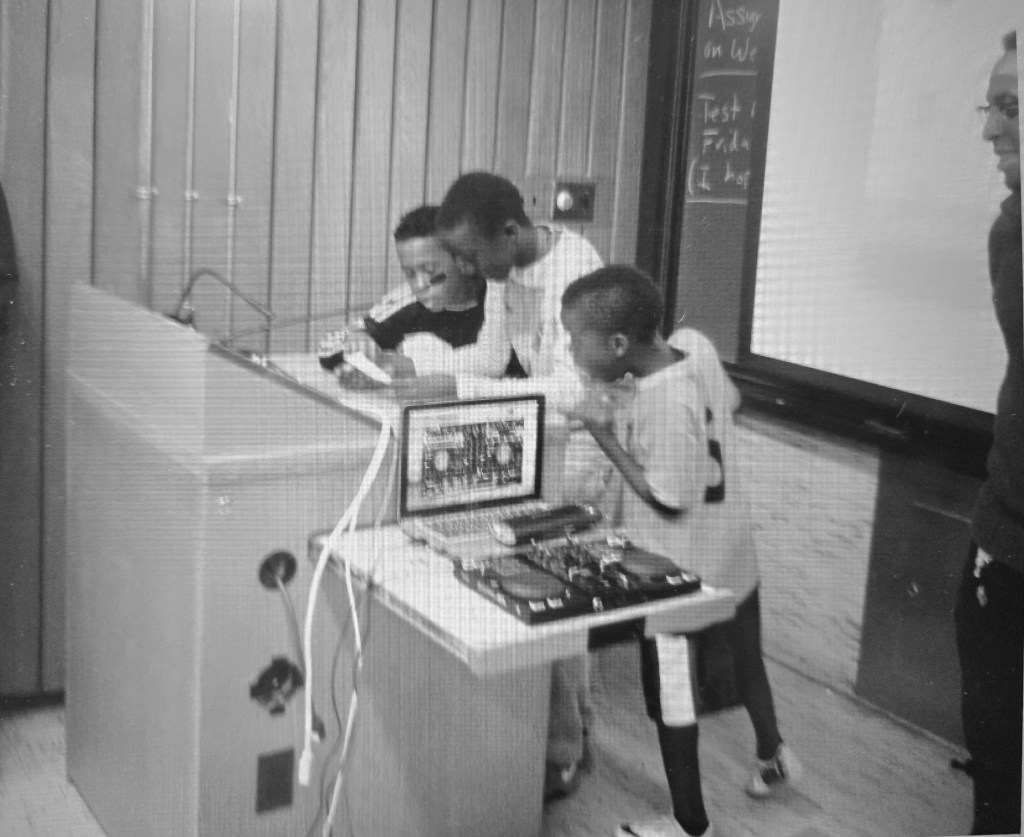
They went reconnect with what was theirs. They went to reclaim and re-connect with what was their legacy. They went to share their knowledge, they’re work, and all of our collective journey of political becoming and coming to political voice. Above all they/we went to collaborate as comrades, as partners in struggle.
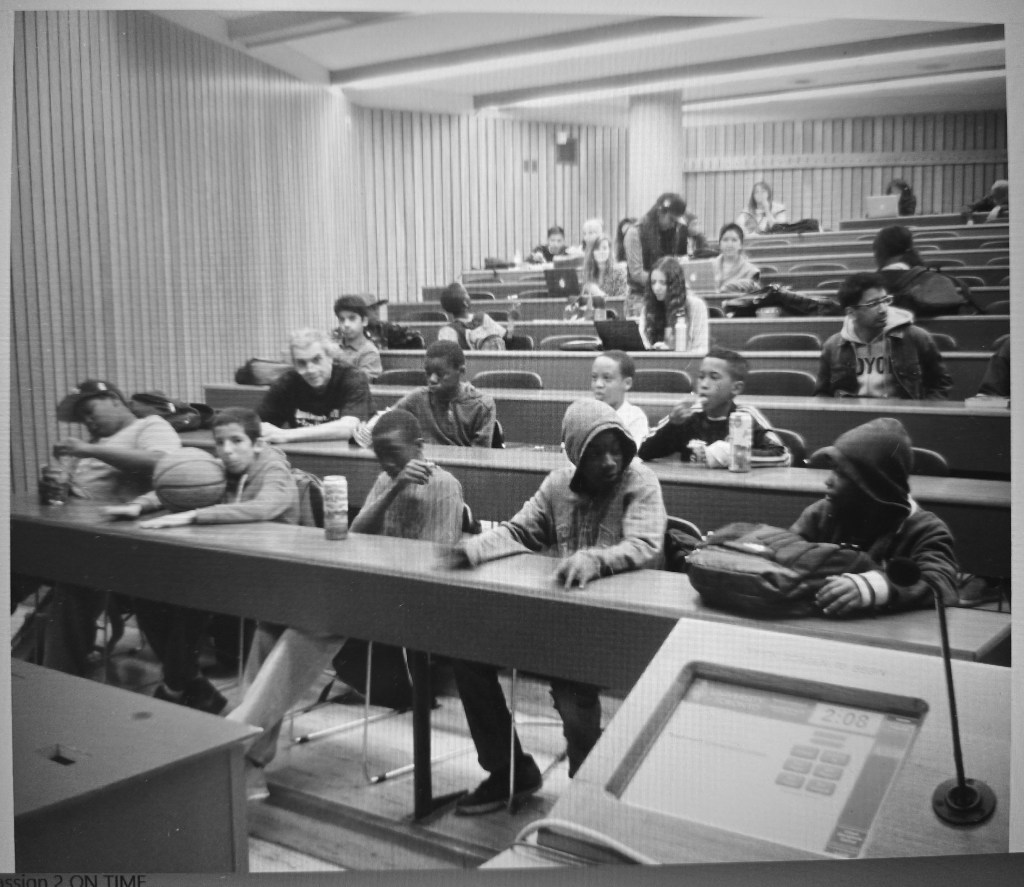
And its that/this that brings joy, its that/this that brings a radical revolutionary joy, the knowing and believing that we the oppressed have power. Radical revolutionary power. The power to contest and oppose, the power to resist, the power to defend and liberate all comrades in struggle, the power to transform our world on our terms. That is the anticolonial self-defense. This is who we are, this is what we are. This is what we stand for. And this is our commitment: To collaborate with our comrades in the nurturing of a collective revolutionary consciousness through revolutionary love and hope Panther style in all that is we.
Copyright (c) 2025 The Protege Panther Project for Self-Defense collective. All rights reserved.
EVERY ATOM OF POWER TO EVERY ATOM OF THE PEOPLE
 The Protege Panther Project for Self-Defense